A drive belt might not be the flashiest part under the hood, but it’s one of the hardest-working components in your vehicle. At Brinson Ford of Athens here in Athens, TX, drivers often ask what the belt actually does and why it matters so much. It’s a fair question—especially when a little drive belt squealing can turn into a bigger issue if ignored. Ever had a small noise turn into a major headache later on? Most drivers have.
Key Takeaways
- A drive belt powers essential engine components like the alternator, A/C compressor, and power steering pump.
- Most modern vehicles use a single serpentine belt instead of multiple belts.
- Drive belts should be inspected regularly and replaced at the first signs of wear.
- Ignoring belt issues can lead to overheating, loss of power steering, or a dead battery.
- Replacing a worn belt early prevents breakdowns and protects more expensive engine parts
What Does a Drive Belt Do?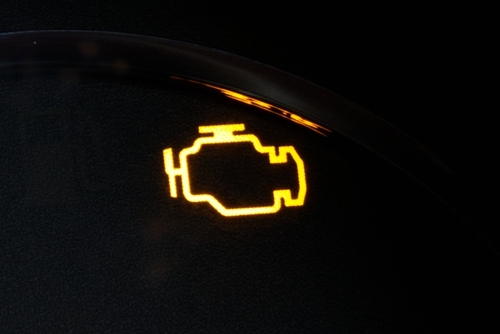
A drive belt transfers power from the engine’s crankshaft to several key components that keep your vehicle running smoothly. Without it, systems like the alternator, air conditioning, and power steering simply wouldn’t function.
Most modern vehicles use a single serpentine belt that wraps around multiple pulleys, keeping everything moving in sync. When the belt is in good condition, you get consistent electrical power, smooth steering, and proper cooling. But when it starts to crack, glaze, or stretch, those systems can struggle. Texas heat, stop-and-go driving, and natural wear all play a role in how quickly a belt ages. That’s why regular inspections—especially during routine service—are so important. If a technician at Brinson Ford of Athens spots early wear, we’ll offer serpentine belt replacement before it causes bigger issues.
Common Signs Your Drive Belt Needs Attention
- Visible cracks or fraying
- Squealing or chirping noises
- Power steering feels heavier
- A/C performance drops
- The battery warning light appears
 When Should You Replace a Drive Belt?
Most drive belts last between 60,000 and 100,000 miles, but that range can vary depending on driving conditions and vehicle type. The safest approach is to follow your manufacturer’s maintenance schedule and have the belt inspected regularly.
Heat is one of the biggest factors in belt wear, and here in East Texas, temperatures can take a toll. Short trips, towing, and dusty environments can also accelerate wear. Even if a belt looks fine on the outside, internal fibers may be weakening. That’s why routine inspections matter—technicians can spot subtle signs of wear long before the belt fails. If you’re hearing noises, noticing accessory issues, or seeing warning lights, it’s time to get the belt checked. A quick inspection at Brinson Ford of Athens can confirm whether it’s still safe to drive or if replacement is the smarter move.
Drive Belt Wear Factors
| Belt Wear Cause |
Impact |
Where You’ll See It |
Why It Matters |
| Heat |
High |
Hot Texas summers |
Heat dries out rubber and accelerates cracking. |
| Mileage |
Medium–High |
60k–100k miles |
Belts naturally wear as they rotate thousands of times per minute. |
| Driving Conditions |
Medium |
Stop-and-go traffic |
Frequent starts increase stress on pulleys and tensioners |
| Contamination |
Medium |
Oil or coolant leaks |
Fluids weaken rubber and reduce belt grip. |
| Age |
High |
6+ years |
Rubber hardens over time, even with low mileage. |
What Happens If You Don’t Replace a Worn Drive Belt?
Driving with a worn or damaged belt can lead to sudden loss of power steering, overheating, or a dead battery. In severe cases, the vehicle may stall and leave you stranded.
A failing belt can slip, squeal, or eventually snap. When that happens, the alternator stops charging the battery, the water pump stops circulating coolant, and the power steering pump stops assisting your steering. That’s a lot of critical systems relying on one component. If the belt breaks while driving, the engine can overheat quickly, which risks major damage. Many drivers first notice a high-pitched squeal when starting the vehicle or turning the wheel—classic signs of drive belt squealing. Addressing the issue early prevents expensive repairs and keeps your vehicle safe and reliable.
Why Drive Belt Maintenance Matters
Understanding what a drive belt does makes it easier to appreciate how important it is to your vehicle’s health. A well-maintained belt keeps your alternator, A/C, power steering, and cooling system working the way they should. At Brinson Ford of Athens in Athens, TX, technicians can inspect your serpentine belt, spot early wear, and recommend the right time for replacement so you can drive with confidence.
If you’re noticing any of these signs, scheduling a quick check at Brinson Ford of Athens is an easy next step. A simple inspection today can prevent a much bigger repair tomorrow.
FAQs About Drive Belts
What is the difference between a drive belt and a timing belt?
A drive belt powers accessories like the alternator and A/C, while a timing belt synchronizes the engine’s internal components.
What components does the drive belt actually power?
Typically, the alternator, power steering pump, A/C compressor, and sometimes the water pump.
Why is my car making a high-pitched squealing noise when I start it?
That noise often indicates a loose or worn belt, misaligned pulley, or failing tensioner.
How much does it cost to replace a drive belt?
Costs vary by vehicle, but most replacements are relatively affordable compared to the damage a failed belt can cause.
| Day |
Open |
Closed |
|
Monday
|
8:30AM
|
7:00PM
|
|
Tuesday
|
8:30AM
|
7:00PM
|
|
Wednesday
|
8:30AM
|
7:00PM
|
|
Thursday
|
8:30AM
|
7:00PM
|
|
Friday
|
8:30AM
|
7:00PM
|
|
Saturday
|
9:00AM
|
6:00PM
|
|
Sunday
|
Closed
|
Closed
|
| Day |
Open |
Closed |
|
Monday
|
7:30AM
|
6:00PM
|
|
Tuesday
|
7:30AM
|
6:00PM
|
|
Wednesday
|
7:30AM
|
6:00PM
|
|
Thursday
|
7:30AM
|
6:00PM
|
|
Friday
|
7:30AM
|
6:00PM
|
|
Saturday
|
8:00AM
|
4:00PM
|
|
Sunday
|
Closed
|
Closed
|
| Day |
Open |
Closed |
|
Monday
|
7:30AM
|
6:00PM
|
|
Tuesday
|
7:30AM
|
6:00PM
|
|
Wednesday
|
7:30AM
|
6:00PM
|
|
Thursday
|
7:30AM
|
6:00PM
|
|
Friday
|
7:30AM
|
6:00PM
|
|
Saturday
|
8:00AM
|
4:00PM
|
|
Sunday
|
Closed
|
Closed
|