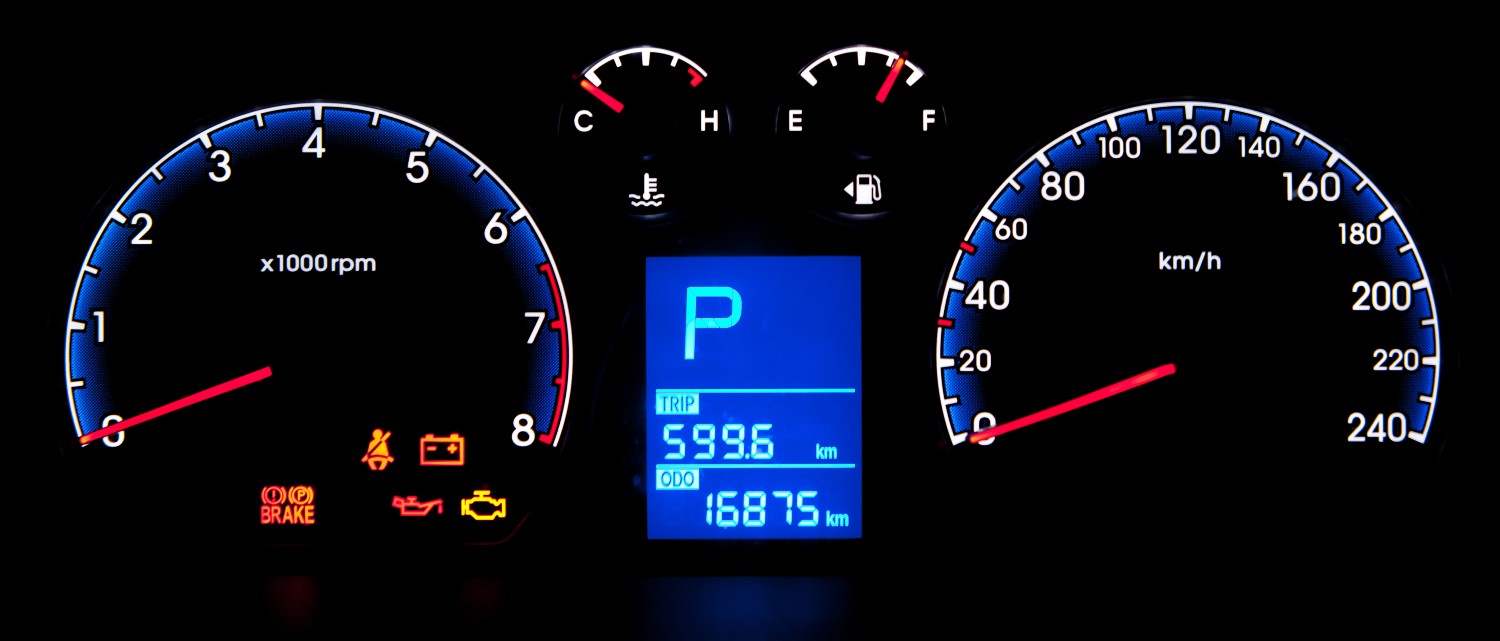
Ever glance at the dash and catch a light you don’t quite recognize? It happens to almost every driver sooner or later. Brinson Ford of Athens hears this question all the time from drivers around Athens, TX, and the truth is simple: the vehicle is trying to flag something before it becomes a bigger, pricier problem. Knowing what each light means and when to visit a certified Ford service center saves real time, money, and worry.
Overview
Each warning light ties to a specific system, from the engine and brakes to tire pressure and charging. Some flag routine maintenance; others signal a safety issue that shouldn’t wait. Here’s what each one means on its own.
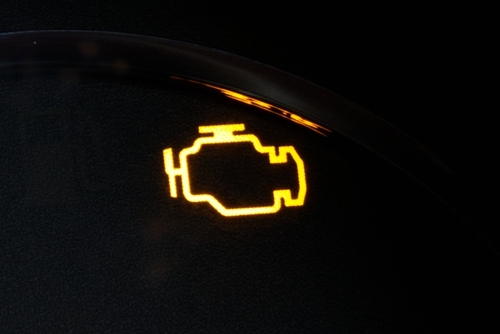
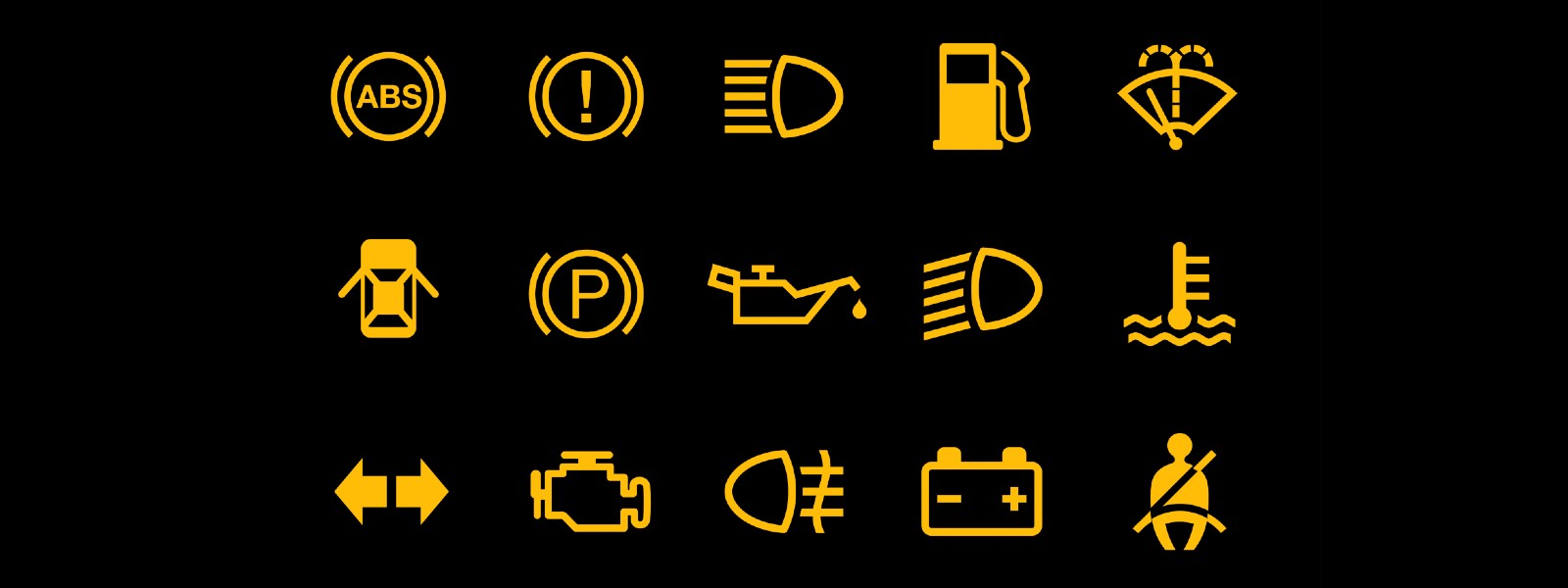
This light covers a wide range of engine and emissions issues, from a loose sensor to a misfiring cylinder. It’s one of the top reasons drivers book an appointment at a certified Ford service center, since a scan tool is the only way to know exactly what triggered it.
This light means oil is either too low or not circulating with enough pressure to protect the engine. It’s worth pulling over soon to check the level, and a routine oil change on schedule is the easiest way to keep this light from ever coming on.
This one points to a problem with the alternator, battery, or charging circuit rather than the battery alone. Left unaddressed, it usually ends with a vehicle that won’t start, which is why battery services are worth scheduling at the first flicker.
This light means the engine is running hotter than it should, often due to low coolant or a cooling system issue. Continued driving risks overheating, so it’s best to pull over, let things cool, and have the system checked.
This light usually signals low brake fluid or a fault in the brake system. Since stopping power is on the line, scheduling brake repair promptly is the safest move rather than waiting to see if it clears on its own.
This light means the anti-lock braking system isn’t functioning as designed, though standard brakes typically still work. ABS plays a big role in maintaining control during hard stops, so it’s worth having a technician take a look.
This light means one or more tires have fallen outside the recommended pressure range. Temperature swings are a common cause, but a tire service visit is the right call if the light stays on after a manual check.

This one is the most straightforward: fuel is running low, and a stop at the pump is coming up soon. It’s not a safety concern on its own, but running the tank empty repeatedly can strain the fuel pump over time.
This light can mean the system is actively working on a slick road, or that it has detected a fault and switched off. If it stays on during normal, dry-road driving, it’s worth having the sensors checked.
This light relates to the electronic parking brake rather than the regular braking system. It can mean the brake is engaged, malfunctioning, or needs a reset, and a technician can usually sort it out quickly.
This light means the fuel cap isn’t sealing properly, which throws off the fuel system’s pressure readings. It’s an easy fix: tighten or replace the cap, and the light should clear within a few drive cycles.
This light points to a more serious issue within the engine, transmission, or drivetrain, and the vehicle may shift into a protective, reduced-power mode. It’s best treated as a priority appointment rather than something to put off.
With twelve different lights covering everything from fuel level to brake pressure, it helps to have a quick way to compare urgency. Color and behavior are the biggest clues. Red or flashing lights generally call for pulling over right away, while steady amber lights usually just mean it’s time to schedule service soon.
Think of it like a stoplight built into the dashboard. Red icons, like the brake warning or a flashing check engine light, signal something that could affect safety if the vehicle keeps running. Amber icons, like TPMS or a steady check engine light, usually allow time to plan a visit. Paying attention to color and behavior helps drivers decide whether to head straight in for brake repair or simply book an appointment later in the week.

| Warning Light | Urgency | What to Do |
|---|---|---|
| Brake System Warning | High | Stop driving if possible and have the brake system inspected right away. |
| Oil Pressure Warning | High | Pull over safely and check oil level; avoid continued driving until resolved. |
| Coolant Temperature | High | Pull over before the engine overheats and let it cool before checking coolant. |
| Check Engine (flashing) | High | Reduce speed and schedule diagnostics right away. |
| TPMS Light | Moderate | Check tire pressure and plan a tire service visit if it stays on. |
| Battery / Charging | Moderate | Get the battery and alternator tested before a no-start. |
It depends on which light is on. Some warnings are safe to plan around, while others mean the vehicle shouldn’t go much farther without a closer look.
A low fuel light or loose gas cap warning rarely means immediate danger, but lights tied to braking, steering, or engine temperature are different. Driving on with the brake warning light on means less stopping power right when it’s needed. The powertrain fault light often means the vehicle has shifted into a protective mode, and waiting too long on a tire service visit after TPMS comes on can lead to a blowout. When in doubt, it’s safer to have a technician take a quick look.
Dashboard lights exist to keep drivers a step ahead of bigger repairs, not to cause stress. Brinson Ford of Athens has helped plenty of Athens, TX drivers sort out everything from a quick oil top-off to a full brake repair, and that local know-how goes a long way when something unexpected shows up on the dash.
Noticing one of these lights, or just due for maintenance? Scheduling a quick check at Brinson Ford of Athens is an easy next step toward avoiding bigger repairs down the road.

Note whether it’s steady or flashing, then schedule a diagnostic appointment soon. A steady light can usually wait a few days, but it shouldn’t be ignored for long.
It usually points to a misfire that can damage the catalytic converter. Reduce speed and get it checked as soon as possible.
Pressure can drop with temperature changes even when tires look normal. A quick check, or a tire service visit if the light stays on, will confirm what’s going on.
The anti-lock braking system has detected a fault, though regular brakes usually still work. It’s still worth an inspection, since ABS matters most during hard stops.
Yes, a loose or damaged cap can affect fuel system pressure and trigger the check engine light. Tightening or replacing it often resolves things within a few drive cycles.
¿Alguna vez ha mirado el tablero y ha visto una luz que no reconoce del todo? Le pasa a casi todos los conductores tarde o temprano. En Brinson Ford of Athens escuchamos esta pregunta constantemente de parte de conductores de la zona de Athens, TX, y la verdad es sencilla: el vehículo está tratando de avisar de algo antes de que se convierta en un problema más grande y más costoso. Saber qué significa cada luz y cuándo visitar un centro de servicio Ford certificado ahorra tiempo, dinero y preocupaciones reales.
Panorama General
Cada luz de advertencia corresponde a un sistema específico, desde el motor y los frenos hasta la presión de las llantas y el sistema de carga. Algunas señalan mantenimiento de rutina; otras avisan de un problema de seguridad que no debe esperar. Esto es lo que significa cada una por separado.
Esta luz abarca una amplia gama de problemas del motor y de emisiones, desde un sensor flojo hasta un cilindro que falla. Es una de las principales razones por las que los conductores agendan una cita en un centro de servicio Ford certificado, ya que una herramienta de escaneo es la única forma de saber con exactitud qué la activó.
Esta luz indica que el aceite está demasiado bajo o que no circula con suficiente presión para proteger el motor. Conviene orillarse pronto para revisar el nivel, y un cambio de aceite de rutina a tiempo es la manera más sencilla de evitar que esta luz se encienda.
Esta señala un problema con el alternador, la batería o el circuito de carga, y no solo con la batería. Si no se atiende, normalmente termina con un vehículo que no arranca, y por eso vale la pena programar el servicio de batería al primer parpadeo.
Esta luz indica que el motor está trabajando más caliente de lo que debería, con frecuencia por falta de refrigerante o por una falla en el sistema de enfriamiento. Seguir manejando arriesga un sobrecalentamiento, así que lo mejor es orillarse, dejar que todo se enfríe y hacer revisar el sistema.
Esta luz normalmente avisa de un nivel bajo de líquido de frenos o de una falla en el sistema de frenado. Como está en juego la capacidad de frenar, programar la reparación de frenos de inmediato es la decisión más segura, en lugar de esperar a ver si se apaga sola.
Esta luz indica que el sistema de frenos antibloqueo no está funcionando como fue diseñado, aunque los frenos convencionales por lo general siguen operando. El ABS cumple un papel importante para mantener el control durante frenadas bruscas, así que vale la pena que un técnico lo revise.
Esta luz indica que una o más llantas están fuera del rango de presión recomendado. Los cambios de temperatura son una causa común, pero una visita de servicio de llantas es lo indicado si la luz permanece encendida después de una revisión manual.
Esta es la más sencilla de todas: el combustible se está agotando y pronto habrá que parar en la gasolinera. Por sí sola no es un problema de seguridad, pero vaciar el tanque por completo de forma repetida puede forzar la bomba de combustible con el tiempo.
Esta luz puede significar que el sistema está trabajando activamente en un camino resbaloso, o que detectó una falla y se desactivó. Si permanece encendida al manejar en condiciones normales y sobre pavimento seco, conviene hacer revisar los sensores.
Esta luz corresponde al freno de estacionamiento electrónico y no al sistema de frenado normal. Puede indicar que el freno está aplicado, que presenta una falla o que necesita reiniciarse, y un técnico normalmente lo resuelve con rapidez.
Esta luz indica que el tapón del tanque no está sellando correctamente, lo que altera las lecturas de presión del sistema de combustible. La solución es fácil: apriete o reemplace el tapón y la luz debería apagarse después de algunos ciclos de manejo.
Esta luz señala un problema más serio en el motor, la transmisión o el tren motriz, y el vehículo puede pasar a un modo de protección con potencia reducida. Conviene tratarla como una cita prioritaria y no como algo que se pueda posponer.
Con doce luces distintas que cubren desde el nivel de combustible hasta la presión de los frenos, ayuda tener una forma rápida de comparar la urgencia. El color y el comportamiento son las mejores pistas. Las luces rojas o intermitentes por lo general exigen orillarse de inmediato, mientras que las luces ámbar fijas normalmente solo significan que es momento de programar servicio pronto.
Piénselo como un semáforo integrado en el tablero. Los íconos rojos, como la advertencia de frenos o una luz Check Engine intermitente, señalan algo que puede afectar la seguridad si el vehículo sigue circulando. Los íconos ámbar, como el TPMS o una luz Check Engine fija, normalmente dan tiempo para planear una visita. Prestar atención al color y al comportamiento ayuda a los conductores a decidir si deben ir directamente por una reparación de frenos o simplemente agendar una cita más adelante en la semana.
| Luz de Advertencia | Urgencia | Qué Hacer |
|---|---|---|
| Advertencia del Sistema de Frenos | Alta | Deje de manejar si es posible y haga inspeccionar el sistema de frenos de inmediato. |
| Advertencia de Presión de Aceite | Alta | Oríllese con seguridad y revise el nivel de aceite; evite seguir manejando hasta resolverlo. |
| Temperatura del Refrigerante | Alta | Oríllese antes de que el motor se sobrecaliente y déjelo enfriar antes de revisar el refrigerante. |
| Check Engine (intermitente) | Alta | Reduzca la velocidad y programe un diagnóstico de inmediato. |
| Luz de TPMS | Moderada | Revise la presión de las llantas y planee una visita de servicio de llantas si permanece encendida. |
| Batería / Sistema de Carga | Moderada | Haga probar la batería y el alternador antes de quedarse sin arranque. |
Depende de cuál luz esté encendida. Algunas advertencias permiten planear con calma, mientras que otras significan que el vehículo no debería avanzar mucho más sin una revisión detallada.
Una luz de combustible bajo o una advertencia de tapón suelto rara vez implica peligro inmediato, pero las luces relacionadas con los frenos, la dirección o la temperatura del motor son distintas. Seguir manejando con la luz de advertencia de frenos encendida significa menos capacidad de frenado justo cuando más se necesita. La luz de falla del tren motriz suele indicar que el vehículo pasó a un modo de protección, y esperar demasiado para una visita de servicio de llantas después de que se enciende el TPMS puede provocar una ponchadura repentina. Ante la duda, lo más seguro es que un técnico le eche un vistazo rápido.
Las luces del tablero existen para mantener a los conductores un paso adelante de reparaciones mayores, no para causar estrés. Brinson Ford of Athens ha ayudado a muchos conductores de Athens, TX a resolver desde un simple relleno de aceite hasta una reparación completa de frenos, y ese conocimiento local hace una gran diferencia cuando algo inesperado aparece en el tablero.
¿Notó alguna de estas luces o ya le toca mantenimiento? Programar una revisión rápida en Brinson Ford of Athens es un siguiente paso sencillo para evitar reparaciones mayores más adelante.
Fíjese si está fija o intermitente y luego programe pronto una cita de diagnóstico. Una luz fija normalmente puede esperar unos días, pero no debe ignorarse por mucho tiempo.
Por lo general señala una falla de encendido que puede dañar el convertidor catalítico. Reduzca la velocidad y hágala revisar lo antes posible.
La presión puede bajar con los cambios de temperatura aunque las llantas se vean normales. Una revisión rápida, o una visita de servicio de llantas si la luz permanece encendida, confirmará qué está pasando.
El sistema de frenos antibloqueo detectó una falla, aunque los frenos normales por lo general siguen funcionando. Aun así vale la pena una inspección, ya que el ABS es más importante durante frenadas bruscas.
Sí, un tapón suelto o dañado puede afectar la presión del sistema de combustible y activar la luz Check Engine. Apretarlo o reemplazarlo suele resolver el problema en unos cuantos ciclos de manejo.